
Libraries Supporting Reentry Services


One of the many new projects undertaken by Adult Services Consultant, Clarisa Arguello, has been working with and learning from reentry organizations across NC as they support individuals in their return to communities after incarceration. Below, Clarisa recaps her key insights and provides meaningful ways libraries can support reentry in their communities.
From Clarisa:
For context, in the United States there are about 2.3 million incarcerated people (Sawyer & Wagner, 2020). Of those, 95% in prisons will be released. In North Carolina we have 54 state correctional facilities and about 32,000 inmates. Every year about 18,000 people are released. Research shows that incarcerated individuals who participate in prison education programs are 43% less likely to return to prison (National Institute of Justice, 2019), and those with lower literacy rates are more likely to recidivate upon release (Dunleavy, et al., 2008).
Public libraries across North Carolina can play a key role in this work by providing access to information, technology, and community connections. Over the past year, I’ve had the opportunity to connect with people across the state doing impactful work, and to support those efforts through sharing information and engagement. It’s been a year of learning.
Navigating New Beginnings: Libraries, Reentry, and Community Partnership
In October I moderated a panel discussion at the 66th Biennial NCLA Conference, Navigating New Beginnings: Libraries, Reentry, and Community Partnerships with:
Monica Artis, Transition Services Manager in the Rehabilitation and Reentry Division of the NC Department of Adult Correction
Barbara Kidder, reentry coordinator at Oxford House
Angi Polito, Community Navigator Lead and Social Worker at Randolph County Public Libraries
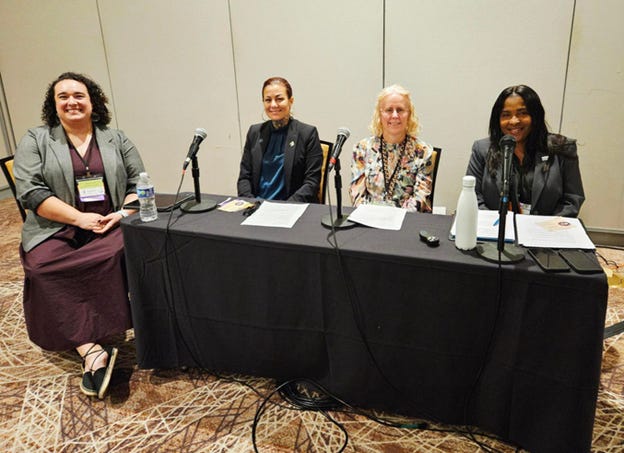
Our conversation highlighted how libraries can support reentry efforts in both direct and indirect ways. Anything from providing access to job resources and digital literacy support to sharing information about basic needs and local services.
The panelists emphasized the importance of connecting with Local Reentry Councils and developing partnerships through collaborative events and programs. They also noted that many library resources are not always visible or intuitive to someone entering a library for the first time. One simple suggestion was creating an information station or resource hub in library branches to make services more accessible.
2026 Rehabilitation and Reentry Conference
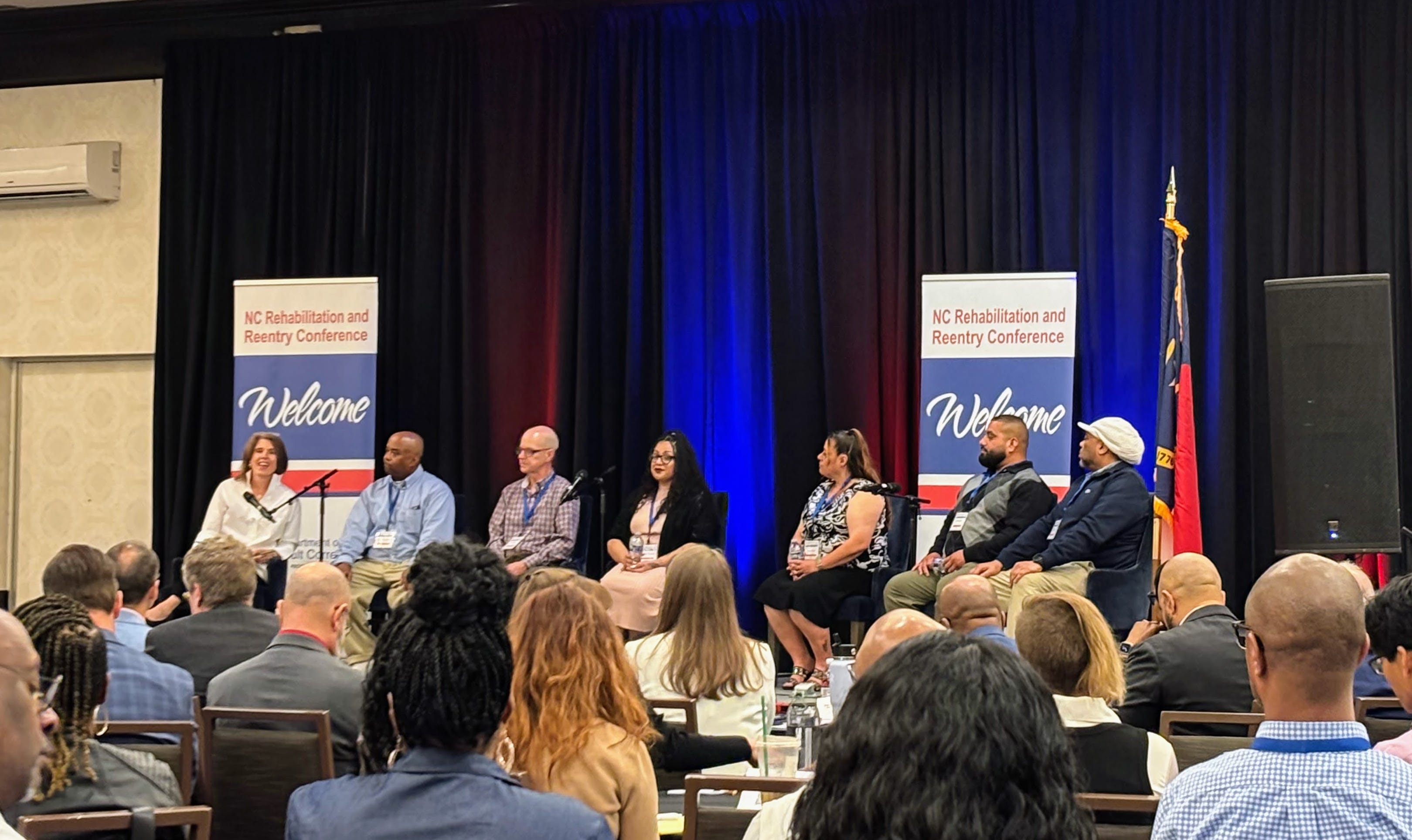
In support of Governor Josh Stein’s proclamation of April as Second Chance Month, the North Carolina Department of Adult Correction hosted 2026 Rehabilitation and Reentry Conference. This was my second year attending and once again, it was an incredibly valuable experience. The sessions highlighted innovative work across the state and created space to connect with others in this field.
This year, First Lady Anna Stein moderated a panel discussion with currently incarcerated individuals participating in work release. They shared their experiences, what they have learned, and what they are most looking forward to after release. View recordings of selected sessions on NC DAC’s YouTube channel.
My key takeaways from the conference:
Education and digital access are foundational to successful reentry.
Reentry success depends on addressing the realities of incarceration’s impact on mental health and decision-making.
Cross-sector partnerships are key to improving economic mobility and long-term outcomes.
Libraries have a clear role in this ecosystem through reentry resource fairs, digital literacy training, driver’s license restoration clinics, and potential partnerships with legal aid and social work programs.
Example: How ABLS at Library of NC Supports Reentry with Braille Transcription
Libraries across the state are engaging in meaningful work to support reentry efforts. One example comes from the Library of North Carolina’s Accessible Books and Library Services (ABLS), which partners with North Carolina Department of Adult Correction in a way that supports both accessibility and workforce development.
ABLS collaborates with Correction Enterprises’ Braille Transcription programs, where incarcerated individuals are trained and certified in Braille transcription through a Library of Congress curriculum. This work not only expands access to materials for patrons with visual impairments, but also provides participants with valuable, transferable job skills.
As Katie Guthrie from ABLS explains:
“Accessible Books and Library Services (ABLS) depends on reliable and accurate Braille transcription to supplement our collection with material of local North Carolina interest… Correction Enterprises allows us the opportunity to have books transcribed into Braille and made available in additional accessible formats.”
This partnership demonstrates how library services can intersect with reentry efforts, supporting incarcerated individuals in gaining specialized skills while also expanding access to information for the broader community.
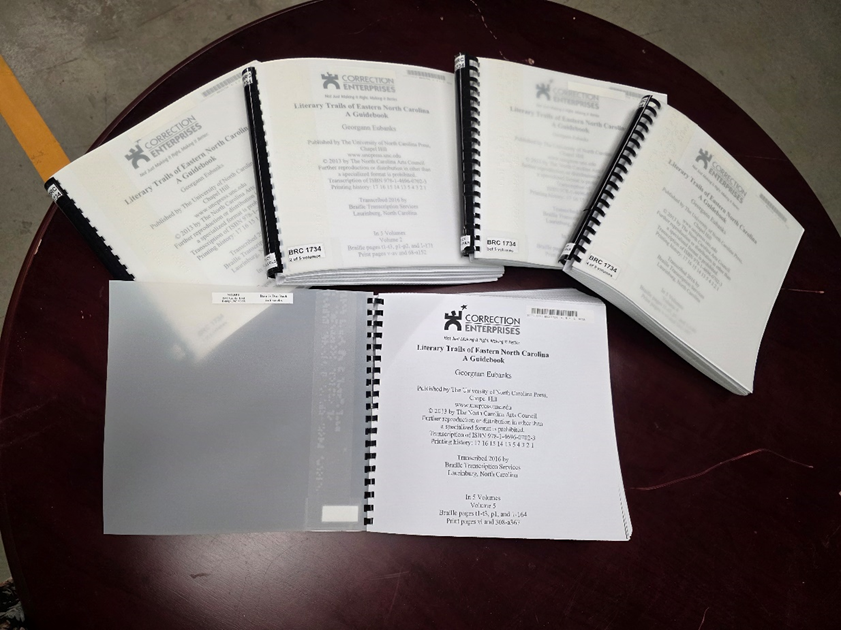
Programs like the Braille Plant at North Carolina Correctional Institution for Women and Scotland Correctional Institution provide hands-on training and certification opportunities. Completing this yearlong Library of Congress program can open pathways to employment after release, particularly in fields where specialized skills are in demand.
Ways to get started
Collaborate
In addition to creating resource hubs within the library, look for opportunities to share library resource information with allied organizations that support reentry. One example is the county-by-county directory of services maintained by the nonprofit Our Journey. Libraries wishing to be included on local resource lists can submit information to be included on the county resources.
For more information, please reach out to Justin Moore, the Director of Operations for Our Journey.
Participate in a re-entry simulation
The Library of NC and NC Department of Adult Correction will host two reentry simulations at libraries in North Carolina. These simulations offer a hands-on opportunity to better understand the barriers individuals face when reentering society and how libraries can respond.
August 20th : Buncombe County Libraries, East Asheville Library
August 27th: Neuse Regional Libraries, Kinston-Lenoir County Public Library
Who should attend: Library staff, library trustees and board, and community partners (literacy councils, local reentry councils)
Find additional simulation sessions and registration details on the NC DAC website.
Volunteer
Library staff can also support reentry work directly through the North Carolina Department of Adult Correction’s online volunteer program.
Learn more
To learn more about supporting reentry, contact Clarisa Arguello.
 | A guest post by
|